GTA 6 install size: 210 GB on PS5, and the room each console has
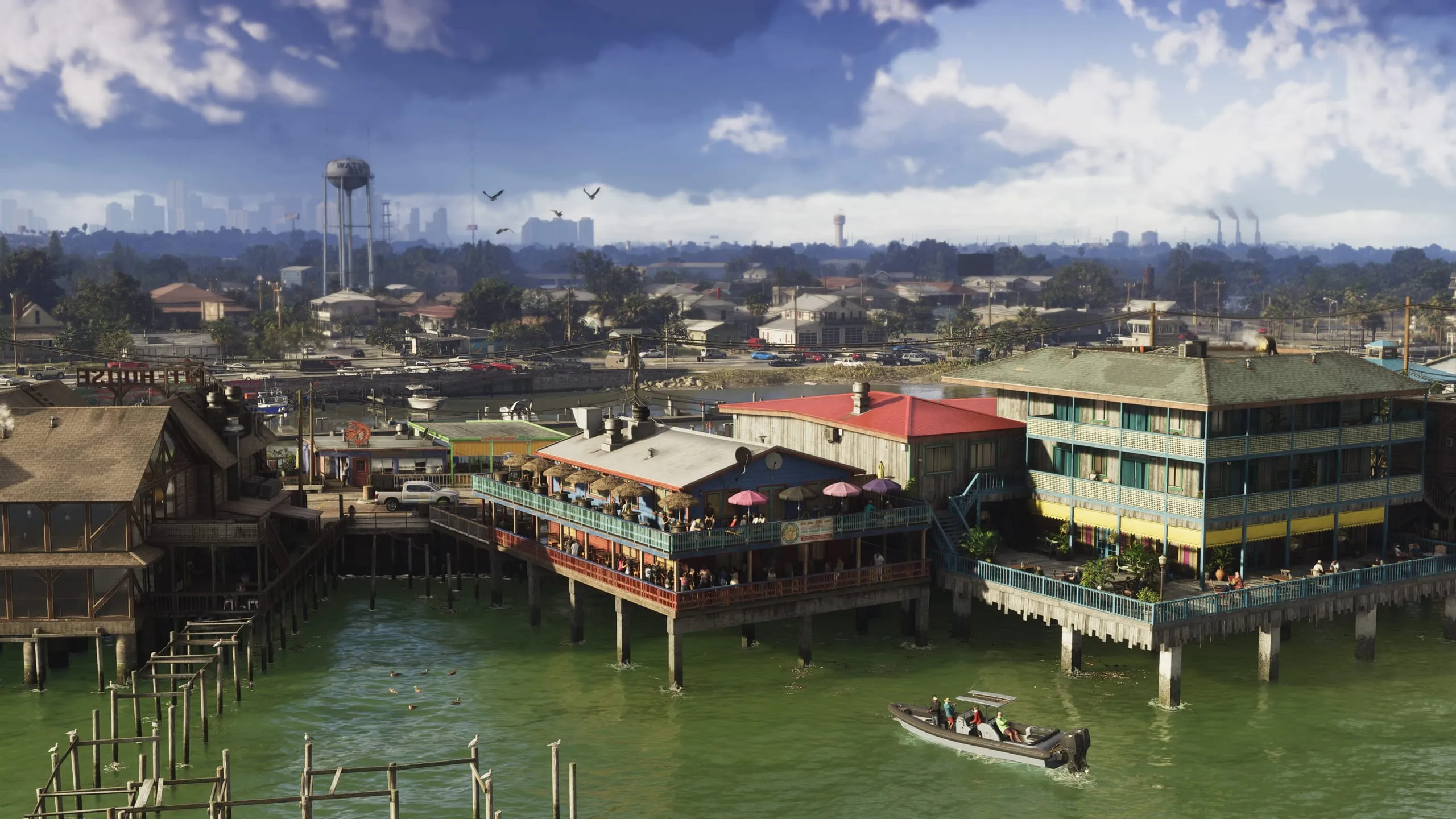
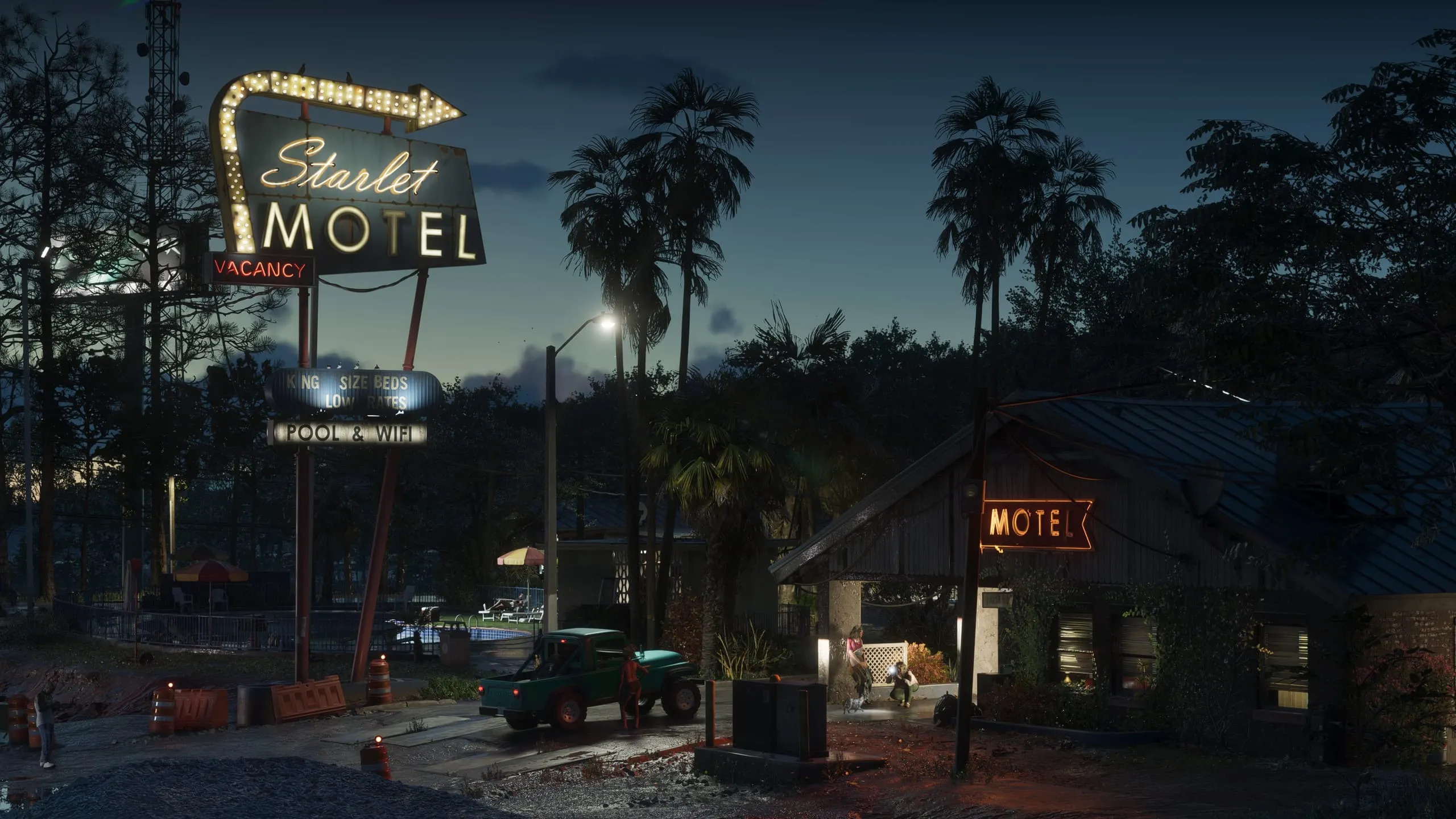
From the wetlands to the skyline, the stretch of Leonida that lands on your drive on November 12. © Rockstar Games
GTA 6 pre-load opens on November 12, 2026, and on October 27 GameSpot put the PS5 Standard Edition at 210 GB. What is left to check is the room each console leaves, and the price of a terabyte.
: Adds the 210 GB GameSpot reports for the PS5 Standard Edition, and what that leaves free on each console.
GameSpot reported on October 27, 2026 that the GTA 6 Standard Edition takes up 210 GB on PS5, a figure posted by the PlayStation Game Size account; Rockstar Games has published none itself. A launch PS5 leaves about 667 GB usable, a Series S about 364 GB. The Xbox and Ultimate Edition sizes are still unknown, and the box holds only a download code, so everyone downloads the whole game.
GameSpot reported on October 27, 2026 that the Standard Edition of Grand Theft Auto VI takes up 210 GB of storage on PS5, a figure posted by the PlayStation Game Size account. No size was given for the Ultimate Edition, and the Xbox Series X|S figure is unknown. Rockstar Games has published none itself: PlayStation.com’s US listing, read that day at 18:25 UTC, still shows no size.
Rockstar’s store page rules out a disc too: “Physical versions will only contain a download code inside the box to support pre-load on November 12. A disc will not be included in the box.” Everybody downloads the whole game, from November 12, 2026 at midnight local time.
What each console actually leaves free
| Machine | On the box | Usable |
|---|---|---|
| PS5, launch model | 825 GB | about 667 GB (Frandroid, August 26, 2026) |
| PS5 Slim | 1 TB | about 842 GB (Digital Trends, November 9, 2023) |
| PS5 Pro | 2 TB | 1.89 TB (Push Square, November 6, 2024) |
| Xbox Series X | 1 TB | 802 GB (Digital Trends, November 9, 2023) |
| Xbox Series S | 512 GB | about 364 GB (Stealthy Gaming, June 29, 2026) |
| WD_Black C50 expansion card | 1 TB | 919.9 GB measured in Frandroid’s review |
About 364 GB on a Series S has to hold an entire library, GTA 6 included. Microsoft set out the offset on Xbox Wire on September 24, 2020: aimed at 1440p, many Series S games drop their top 4K textures and come out “often up to 30% smaller on average.” Rockstar has not said whether GTA 6 follows that rule.
The Sony support page for error CE-107872-5, the one a PS5 shows when a download will not fit, says: “When installing data, it may be necessary to reserve approximately twice the free space required.” For 210 GB, that means about 420 GB free while it installs, within the 667 GB of a launch PS5.
Where the 210 GB comes from
GameSpot calls it double the size of Red Dead Redemption 2. Insider Gaming, which says it “can corroborate this information”, describes the same 210 GB as the complete download size, valid “at the time of writing”.
A launch update lands on top of the install
For the release of Red Dead Redemption 2 on October 26, 2018, Rockstar put out a Launch Day Title Update of 3.30 GB on PlayStation 4 and 3.20 GB on Xbox One, reported the day before by GamesRadar+ and Wccftech. No launch update has been announced for GTA 6, and the precedent has a guide of its own.
What a terabyte costs, and what it buys
The PS5 takes any compliant M.2 NVMe PCIe Gen4x4 drive, 250 GB to 8 TB, heatsink mandatory, 5,500 MB/s sequential read recommended. Sony’s support page warns: “Not all games are necessarily playable with the exact same performance provided by the PS5 console’s internal Ultra-High Speed SSD, even where the M.2 SSD device’s sequential read speed is faster than 5500MB/s.” GTA 6 is better kept on the internal drive. A USB drive stores PS5 games without running them, as Frandroid restated on August 26, 2026.
| Drive | Capacity | US price | Per terabyte |
|---|---|---|---|
| SanDisk Optimus GX PRO 850P, PS5 licensed | 1 TB | $379.99 (The Verge, June 22, 2026) | about $380 |
| SanDisk Optimus GX PRO 850P | 2 TB | $759.99 | about $380 |
| SanDisk Optimus GX PRO 850P | 4 TB | $1,499.99 | about $375 |
| SanDisk Optimus GX PRO 850P | 8 TB | $2,959.99, list price $3,699.99 | about $370 |
| WD_Black SN850P, PS5 licensed | 1 TB | $234.99 on Amazon.com, September 13; $179.99 at Woot with a promo code, October 1, 2026 (9to5toys) | about $180 to $235 |
| WD_Black SN850X, no licence | 8 TB | $1,299.99 on Amazon, June 2026 (Notebookcheck) | about $162 |
SanDisk’s licensed range costs more than twice as much per terabyte as an unlicensed drive of the same family. On Amazon.com on September 13, 2026, WD’s licensed 1 TB cost $234.99, SanDisk’s $309.99: the premium is SanDisk’s, and the licence buys no speed, as Games.gg pointed out on June 18, 2026. Current readings sit in our expansion SSD price tracker.
The only way to add room on a Series S
The Series S takes no M.2 drive: Microsoft’s proprietary card is the only route, sold by Seagate, WD_Black and SanDisk, as Netzwelt counted on August 26, 2026. In Amazon.com’s own buy box on September 13, 2026, the SanDisk Optimus GX C50 cost $119.99 for 512 GB and $239.99 for 1 TB: about $240 per terabyte either way, with no saving on the smaller card.
Which Xbox ships with the most room
Since August 1, 2026 a Series S with 512 GB sells for $499.99 and the 1 TB model for $599.99, figures VGC published on June 25, 2026. Those $100 buy 512 GB, about $200 per terabyte, under the price of the card. Both Series X models, Digital at $749.99 and with disc drive at $799.99, carry 1 TB: Microsoft discontinued the 2 TB Galaxy Black in the June 25 statement that raised prices, blaming storage and memory costs up more than 2.5 times, with “another doubling by the fall of 2027” expected.
The date the number lands
The PlayStation Store and Microsoft Store listings usually show a download size when pre-load opens on November 12, 2026. On October 27, 2026, Sony’s US listing names a “7-Day Pre-load” in both editions, at $79.99 and $99.99.
Keep reading
 GuidesGTA 6 release date and unlock time: midnight local per IGN
 GuidesGTA 6 price: $79.99 Standard or $99.99 Ultimate, which to buy
 GuidesGTA 6 performance mode: 30fps, 1440p and PS5 Pro Enhanced
 DealsGTA 6 console monitor guide: five picks from $99.88 to $799.99
 DealsGTA 6 controllers: six pads worth buying, from $48.99 to $199
Our hardware picks
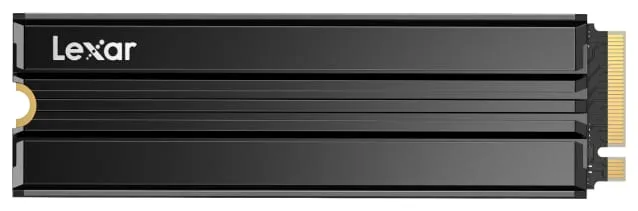
Lexar NM790 1TB (with heatsink)
Our pickThe cheapest 1TB PS5 drive here, with the same controller and speed as the 2TB.
- PS5
- 1TB
- 7,400 MB/s
- heatsink fitted
$204.99$205/TB
See on Amazon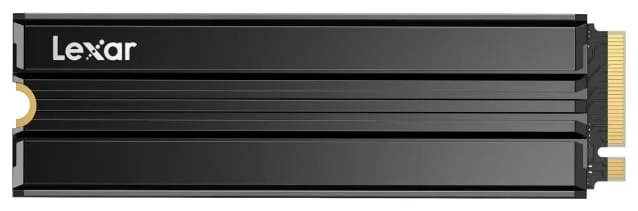
Lexar NM790 2TB (with heatsink)
The lowest cost per terabyte of the PS5 drives here, well past Sony's speed bar.
- PS5
- 2TB
- 7,400 MB/s
- heatsink fitted
$334.99$167/TB
See on Amazon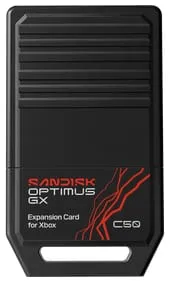
SanDisk Optimus GX C50 1TB Xbox card
A terabyte for the Xbox expansion port that loads GTA 6 like the internal SSD.
- Xbox
- 1TB
- internal-SSD speed
- tool-free install
$239.99$240/TB
See on Amazon
Read next

28 AugGuide
GTA 6 on PS5, PS5 Pro or Xbox Series X: which one to buy
Grand Theft Auto VI ships November 19, 2026 on PS5 and Xbox Series X|S. Across the four consoles, the choice comes down to price, storage, the controller and a disc drive this game leaves idle.
29 AugGuide
GTA 6 setup: three tiers, from $579.98 to $1,759.97
Console builds of GTA 6 run at 30 frames per second, according to Rockstar North co-director Rob Nelson. That single line deletes half of the usual shopping list and puts the November 19, 2026 floor at $579.98, on an Xbox Series S.
3 OctFAQ
GTA 6 on PS Portal: Remote Play is listed on the PS5 store page
GTA 6 launches November 19, 2026 on PS5 and Xbox Series X|S. Its PlayStation Store listing reads 'Remote Play supported,' so the copy installed on a PS5 can be played on a PlayStation Portal, a phone or a PC.
19 SeptGuide
GTA 6 loading times: Sony promises near-instant loads on PS5
Sony's product page for Grand Theft Auto VI promises near-instant load times from the PS5 SSD. The closest measured figures come from GTA 5 on PS5 in March 2022, where three outlets clocked 11, 27 and 39 seconds.